By Femi Emmanuel
Scavenging, traditionally regarded as the collection and recycling of scrap, discarded materials and other unwanted items, is increasingly becoming a source of concern in some parts of Nigeria, as allegations of vandalism and theft have been linked to individuals operating under the guise of scavenging.

While genuine scavengers contribute to environmental cleanliness by recovering recyclable materials from waste, the alleged activities of some unscrupulous individuals have raised questions about the protection of public infrastructure and the safety of residents.
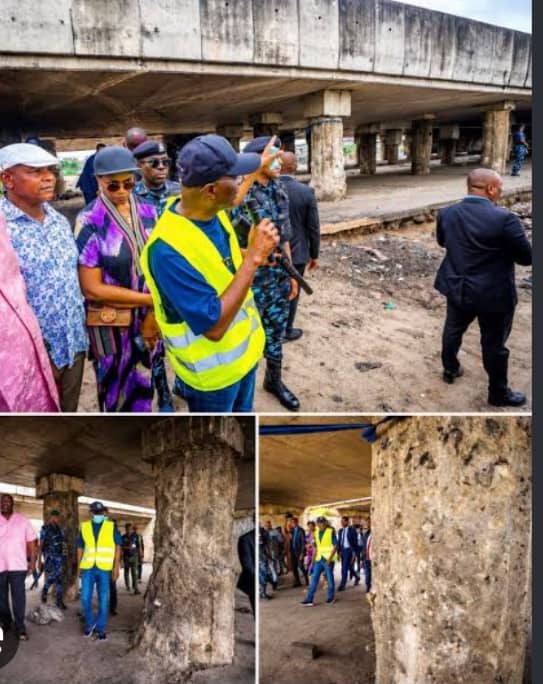
Of particular concern is the reported vandalism of public infrastructure, including bridges and other national assets. Some of these facilities require huge financial resources to construct and maintain, yet valuable metal components are allegedly removed and sold for personal gain.
One example cited is the bridge around the Alakija and Festac areas of Lagos State, where some iron components are reportedly said to have been vandalised. Such acts, if established, could compromise the structural integrity and safety of public infrastructure while also causing significant financial losses to government and taxpayers.
The situation is particularly worrying because several bridges and other public facilities across the country already require rehabilitation. Further vandalism could worsen their condition, increase maintenance costs and expose motorists and pedestrians to avoidable dangers.
Beyond the destruction of public assets, concerns have also been raised about alleged cases in which some individuals purportedly move from one residential area to another under the pretext of scavenging but allegedly use the opportunity to steal items that are still useful to their owners.
In some communities, including parts of Ogbomoso, residents have expressed concern over alleged incidents involving the removal of household items, cooking utensils, metal fittings, manhole covers and other valuables. Such reports have generated fear among residents and heightened calls for stronger community vigilance and appropriate intervention by security agencies.
The alleged practice of monitoring residents’ movements before returning to houses when occupants are away is particularly disturbing. If proven, such activities would go beyond legitimate scavenging and constitute criminal conduct requiring investigation and prosecution.
It is therefore important to distinguish genuine scavengers who make an honest living from individuals who may be exploiting the trade as a cover for criminal activities. The solution should not be to criminalise an entire group of people because of the alleged actions of a few. Rather, authorities should develop effective mechanisms for regulating scavenging activities and identifying those involved in vandalism and theft.
Security agencies, local authorities and community leaders should work together to investigate complaints, strengthen surveillance around vulnerable public infrastructure and prosecute anyone found responsible for vandalism or burglary in accordance with the law.
Scrap dealers and recycling businesses also have an important role to play. They should be encouraged to maintain proper records of materials purchased and reject items whose origins cannot be satisfactorily established, particularly government property, bridge components, manhole covers and other infrastructure materials.
Residents, on their part, should remain vigilant and promptly report suspicious movements or activities to the appropriate authorities rather than taking the law into their own hands.
Nigeria cannot afford to lose valuable public infrastructure to vandalism at a time when resources for maintaining and replacing such facilities are already limited. Public assets belong to everyone, and their destruction ultimately imposes a cost on the entire society.
The authorities must therefore address the problem decisively but fairly—protecting national assets, safeguarding communities and ensuring that legitimate scavengers are not unjustly treated as criminals.
The message is simple: scavenging should remain a legitimate means of livelihood, but it must never become a cover for vandalism, burglary or the destruction of public property.
You can get every of our news as soon as they drop on WhatsApp ...To get all news updates, Join our WhatsApp Group (Click Here)