Editorial:
By Femi Emmanuel

The devastating activities of Boko Haram have continued to leave deep scars across Nigeria, with thousands of innocent lives lost and countless others subjected to emotional and psychological trauma. Over the years, communities particularly in Northern Nigeria have suffered attacks, abductions, displacement, and destruction of property caused by the insurgent group.
In response to the prolonged insurgency, some state governments in the North have embraced programmes centred on the rehabilitation and reintegration of repentant Boko Haram members into society. According to proponents of the initiative, the move is aimed at ending the cycle of violence, kidnapping, and killings that have plagued the region for years.
However, the trauma inflicted on victims and bereaved families remains indelible. Many Nigerians continue to struggle with the painful memories of loved ones brutally murdered by terrorists whose actions have been widely condemned as inhumane and barbaric. Families affected by the insurgency believe no amount of rehabilitation can erase the agony and permanent emotional wounds caused by the attacks.
Observers have also raised moral and constitutional concerns over the reintegration policy. Many Nigerians question why some governors, particularly in the North, appear to favour rehabilitation for insurgents rather than ensuring they face the full weight of the law as empowered by the Nigerian Constitution. Critics argue that terrorists responsible for mass killings and destruction should be decisively prosecuted regardless of their background, tribe, religion, or alleged sponsors.
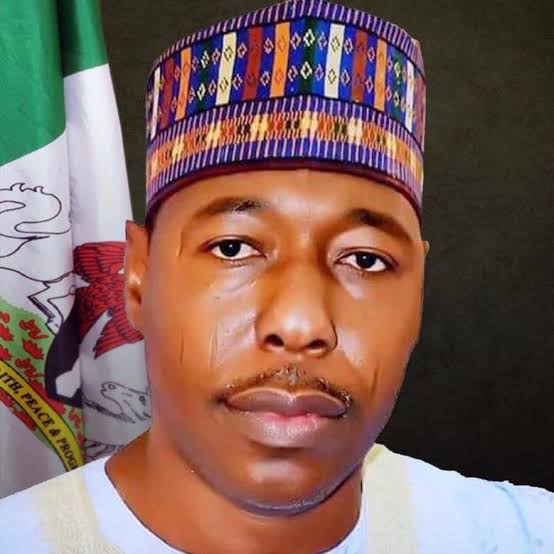
The government of Babagana Zulum had earlier explained that as part of the deradicalisation and reintegration process, repentant Boko Haram members would publicly renounce terrorism and swear an oath never to return to violent activities. The administration maintains that the initiative is designed to encourage peace and reduce insecurity in affected communities.
Despite these assurances, opposition to the programme continues to grow. Critics insist that no punishment or rehabilitation can compensate for the lives already lost or restore families destroyed by terrorism. They further argue that reintegrating former insurgents into society may send the wrong signal and inadvertently encourage others to engage in similar heinous crimes.
Security analysts and concerned citizens have repeatedly stressed that Boko Haram members are not freedom fighters but enemies of the Nigerian state whose activities have rendered many people homeless and plunged communities into mourning. Their violent campaign, they argue, threatens national security and undermines social stability.
Many Nigerians also fear that the rehabilitation policy portrays weakness in governance and compromise in the fight against terrorism. According to critics, allowing individuals accused of terrorism to return to society without adequate justice for victims could damage Nigeria’s image before the international community and weaken public confidence in government institutions.
As debates continue across the country, calls have intensified for stronger measures to protect citizens, ensure justice for victims, and prevent further acts of terrorism. Nigerians remain divided on whether rehabilitation and reintegration offer a pathway to peace or a dangerous precedent capable of deepening insecurity in the nation.
You can get every of our news as soon as they drop on WhatsApp ...To get all news updates, Join our WhatsApp Group (Click Here)