Editorial
By Femi Emmanuel

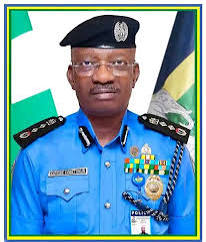
The appointment of Kayode Egbetokun as Inspector-General of Police (IGP) on June 19, 2023, by President Bola Ahmed Tinubu, marked a defining moment for the Nigeria Police Force. As the 22nd IGP, Egbetokun brought to the office a career forged through decades of service, discipline, and institutional knowledge—qualities that shaped a tenure many now describe as purposeful and reform-driven.
Born on September 14, 1965, Egbetokun joined the Nigeria Police Force on March 3, 1990. Over the years, he served in critical capacities, including as Chief Security Officer to the then Governor of Lagos State, Bola Ahmed Tinubu (1999–2005); Commander of the Rapid Response Squad (PRS), Lagos State Command; Deputy Inspector-General of Police supervising the South-West geopolitical zone; and Head of the Force Criminal Investigation Department (FCID). These roles prepared him for the demands of leading a complex national institution.
Upon assumption of office, Egbetokun prioritised comprehensive police reforms anchored on officers’ welfare, technological modernisation, and community engagement. Under his leadership, more than ₦24.25 billion was disbursed to 9,735 families of fallen officers—an unprecedented intervention that underscored a renewed commitment to personnel welfare. The establishment of the Force Insurance Company further strengthened social protection for serving officers and their families.
Operationally, his tenure recorded measurable gains. Counter-terrorism capabilities were enhanced with the commissioning of 50 CBRN operational vehicles. In 2024 alone, police operations reportedly led to over 30,000 arrests and the recovery of significant quantities of illegal firearms. The launch of a nationwide police housing scheme expanded access to affordable homes for officers of all ranks, while approval for annual recruitment signalled a long-term plan to grow the Force toward a target strength of 650,000 personnel. Legal operations within the Police were also upgraded to direct status, improving efficiency and accountability.
Equally notable were reforms in intelligence-led policing and community policing, both designed to deepen public trust and improve crime prevention. Health insurance coverage for officers was strengthened to enhance effectiveness and morale. Observers often attribute the pace and breadth of these reforms to Egbetokun’s intellectual depth and steady leadership—traits that distinguished his tenure among successive IGPs.
Despite Nigeria’s persistent security challenges, Egbetokun pursued pragmatic strategies to curb crime and protect lives and property nationwide. While no tenure is without limitations, the record suggests a sustained effort to reduce criminality and reposition the Police as a more responsive institution.
As he exits office, Kayode Egbetokun leaves behind a legacy defined by reform, welfare-centred leadership, and institutional strengthening. His service justified the confidence reposed in him and demonstrated a zero-tolerance posture toward insecurity. In navigating a demanding landscape, he steered the Nigeria Police Force with resolve and vision, etching his name into the institution’s history with achievements that merit commendation.
You can get every of our news as soon as they drop on WhatsApp ...To get all news updates, Join our WhatsApp Group (Click Here)