By Priscilla Iyabo Awojuola
At 4:45 p.m., a short trip from Iyana-Iyesi to Sango under the bridge should have been routine. Instead, within minutes, the road swallowed us. Cars locked bumper to bumper, horns erupted from every direction, and what ought to have been a brief journey stretched into a two-hour ordeal.

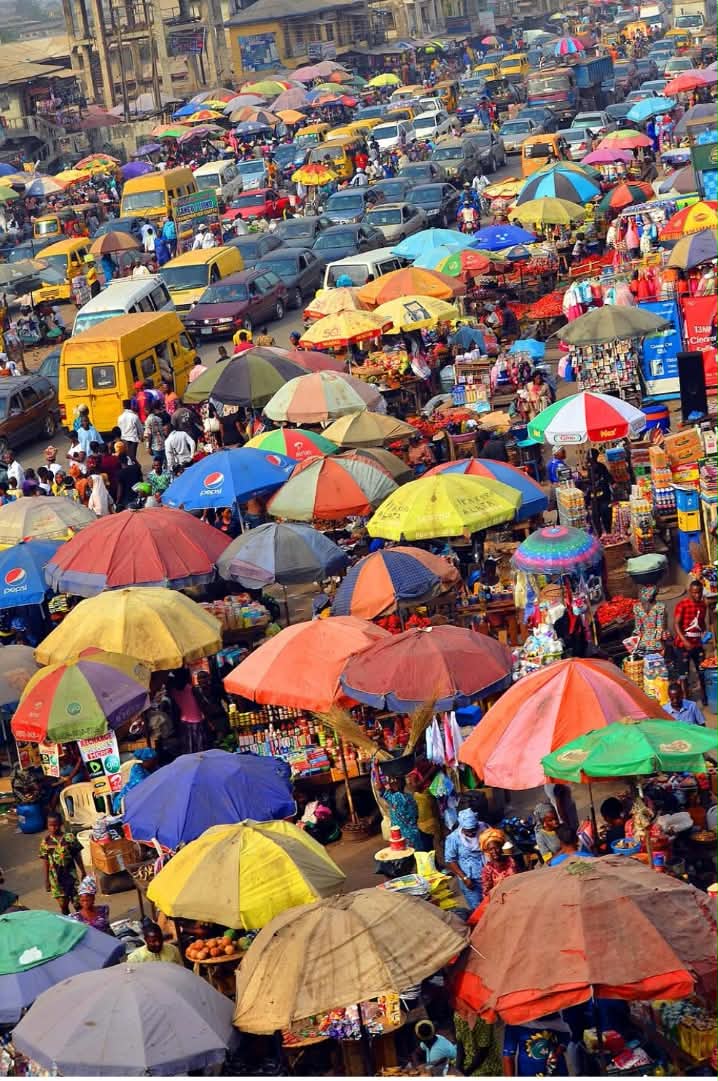
What followed was two solid hours of crawling through traffic — bumper to bumper, inch by inch, sometimes hardly moving at all. The road was alive with familiar Nigerian drama: vehicles squeezing into every available space, commercial buses hustling for passengers, motorists searching for escape routes, pedestrians weaving through the congestion, and everyone seemingly in a hurry to get somewhere.
But where exactly was everybody rushing to?
That question crossed my mind more than once.
Construction work along the road added another layer to an already difficult situation. Dust, noise, impatient horns, and constant movement became the soundtrack of the evening.
Yet, as frustrating as the journey was, there was something strangely familiar about it.
This is life in motion.
Everybody was hustling, battling something.
The driver wanted to get home. The trader wanted to sell one more item. The commuter wanted to beat the evening rush. The pedestrian wanted to get across. The okada rider wanted to make another trip. The bus conductor called out destinations. In the middle of the chaos, thousands of ordinary Nigerians were simply trying to make a living and get on with life.
For two hours, I watched the road and the people around me.
I saw impatience, resilience, and a society constantly moving, even when the road itself seemed determined to keep us in one place.
There is something humbling about sitting in a vehicle for two hours and going barely anywhere. It reminds you that not everything in life responds to urgency. Sometimes, you can be in a hurry and still have to wait.
We complain about traffic — and rightly so. Nobody enjoys spending precious hours trapped on the road. Time lost in traffic could have been spent with family, at work, resting, or simply living.
But perhaps there is another story beneath the congestion: a growing population, expanding communities, roads struggling to cope, development bringing temporary discomfort, and people continuing despite the obstacles before them.
By the time we finally reached Sango under bridge, the evening had taken a different shape.
We left Iyana-Iyesi at 4:45 p.m. and spent the next two hours navigating a moving human and mechanical puzzle on our way to Abeokuta, having celebrated a friend’s birthday.
I wasn’t merely travelling through traffic.
For those two hours, I was travelling through a slice of Nigeria — noisy, impatient, ambitious, chaotic, hardworking, and remarkably resilient.
Perhaps that is the paradox of our everyday life: we complain about the hustle, but somehow, we keep hustling.
Tomorrow, the roads will probably be busy again.
The horns will blare.
The construction will continue.
The buses will struggle for space.
People will hurry.
And Nigeria will keep moving.
Slowly, sometimes painfully — but moving nonetheless.
The frustration will return, as it always does. So will the dust, the noise, the delays, and the temptation to believe that nothing is changing. But beneath it all, people will still rise, still work, still wait, still find a way forward.
Because resilience is not always loud or heroic. Sometimes, it is simply the decision to keep going when the road refuses to open.
Perhaps that is how we survive the journey: not by moving quickly but by refusing to stop.
You can get every of our news as soon as they drop on WhatsApp ...To get all news updates, Join our WhatsApp Group (Click Here)